As the wind sector faces rising modern slavery risks and geopolitical pressure, companies must take supply chain oversight seriously
The global wind energy industry is experiencing rapid growth. In 2025, Europe installed 19.1 GW of new wind capacity, while projects totalling 112 GW are expected to be developed across the EU-27 by 2030.
Meeting this ambitious growth target is no small task. Offshore wind turbines now tower between 250 and 340 metres tall, stretching from the ocean floor to the tip of their blades. While these larger turbines promise greater energy generation, they also create new challenges for the global supply chain, increasing both its complexity and its vulnerability.
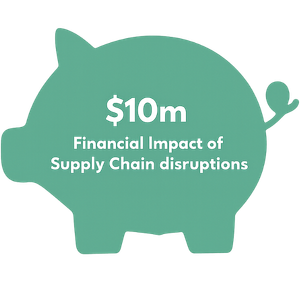
Disruptions are not just creating operational challenges; they are also carrying a heavy financial cost. Recent research from the Achilles Sustainability Report found that 15% of energy sector respondents had lost over $500,000 due to disruption-related issues, while 5% reported losses surpassing $10 million. With just over a third of respondents expecting risks to escalate significantly in the coming one to two years, the need for greater supply chain resilience is becoming increasingly urgent.
To fully appreciate the challenges facing the wind energy sector, it is necessary to examine the turbine’s journey from the sourcing of rare-earth materials through to its installation offshore. This end-to-end perspective highlights the need for a shift away from fragmented risk management towards a more coordinated and holistic approach to supply chain oversight.
Critical Minerals: The First Link in the Supply Chain
The story of a wind turbine starts far from coastal construction sites and assembly plants. It begins with the extraction of critical minerals, particularly rare earth elements such as neodymium and praseodymium, which play a vital role in the permanent magnet generators used in many modern turbines.
China has traditionally dominated global rare earth production, creating a concentrated supply base that many renewable energy developers depend on. While countries including Australia and North America are expanding domestic mining and processing capabilities, diversifying supply is often accompanied by higher costs and longer development timelines.
Beyond commercial considerations, the sector faces growing scrutiny around responsible sourcing. Mining operations can be associated with labour and human rights concerns, making supply chain transparency increasingly important. Regulations such as the EU’s Corporate Sustainability Due Diligence Directive (CSDDD) are enforcing the obligation for organisations to monitor suppliers at multiple tiers and demonstrate robust ESG practices.
Geopolitics adds another layer of complexity. Recent restrictions on rare earth exports have demonstrated how quickly trade disputes can affect global markets, highlighting the vulnerability of renewable energy projects to factors beyond their direct control.
The Journey to Europe’s Wind Energy Hubs
Although the materials and components used in offshore wind projects are sourced worldwide, much of the assembly and staging activity takes place closer to the end market. Across Europe, key manufacturing and marshalling hubs, including Esbjerg, Cuxhaven, Hull, Oostende and Saint-Nazaire, play a central role in preparing turbines and components for deployment.
However, the drive to strengthen regional supply chains through initiatives such as the EU’s Net-Zero Industry Act has not eliminated all vulnerabilities:
The Asian Connection: Ports like Haiphong (Vietnam) and Tianjin (China) remain critical sources for steel towers and foundations.
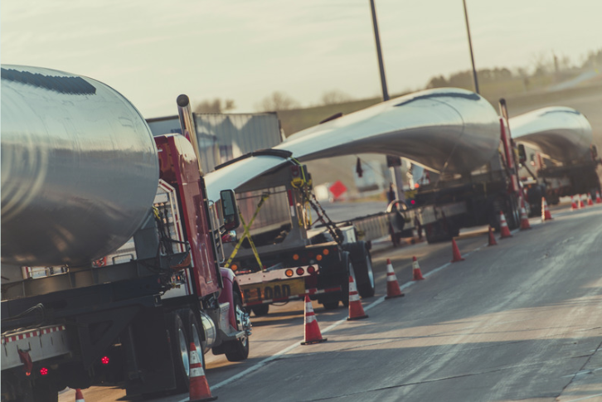
Logistical Fragility: The size and specialist nature of these components make transportation particularly vulnerable to disruption. As geopolitical tensions continue to affect some of the world’s busiest trade routes, developers face rising transport costs, longer delivery schedules and increased uncertainty throughout the supply chain.
Just-in-Time, or Just-Too-Late?
For offshore wind projects, success often depends on timing as much as technology. At Europe’s assembly and marshalling centres, thousands of individual parts must come together in a carefully coordinated sequence. Massive blades, towers and nacelles need to arrive exactly when required, leaving little room for disruption. Even a minor delay can stall installation activities and place billion euro project milestones at risk.
One of the most pressing constraints is vessel capacity. The shift towards larger turbines has outpaced the availability of suitable installation vessels, creating a mismatch between market demand and fleet capability. As a result, competition for specialist assets is intensifying, increasing project costs and putting additional pressure on delivery timelines.
People, Safety and Workforce Challenges
The final and perhaps most critical element of the offshore wind supply chain is the workforce tasked with delivering projects safely and efficiently. As turbine technology advances and installations move into deeper waters, the demands placed on these teams continue to increase.
The industry faces a dual challenge:
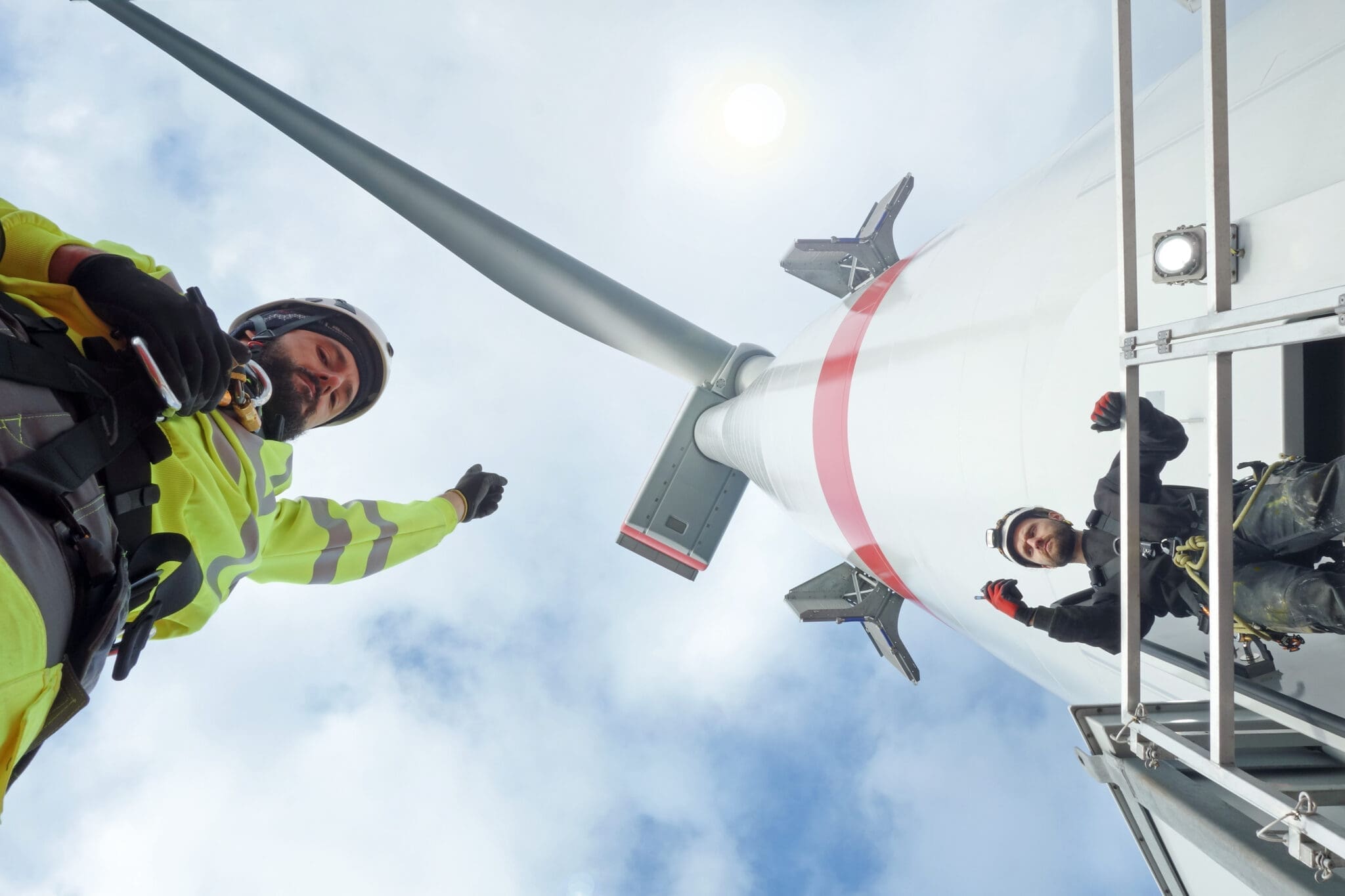
The work itself is highly specialised, requiring crews to handle large-scale equipment, complex lifting operations and tasks performed hundreds of metres above sea level. Combined with unpredictable weather conditions, these activities carry significant safety considerations.
The industry is also grappling with a shortage of skilled workers. Growth in offshore wind has accelerated faster than the supply of experienced personnel, creating intense competition for qualified talent. This shortage can place additional pressure on project schedules and workforce management while reinforcing the need for ongoing investment in training and safety practices.
A New Approach to Supply Chain Risk
The offshore wind boom is creating enormous opportunities, but it is also exposing the complexity of the global networks that make renewable energy possible. A turbine installed in the North Sea may depend on materials mined thousands of miles away, components manufactured across multiple countries and specialist teams working in some of the world’s most challenging environments.
Managing these risks individually is no longer enough. Today’s supply chains are highly connected, meaning issues related to ESG compliance, safety, workforce shortages, logistics or geopolitics can quickly influence one another.
AI and data-driven risk management tools provide an opportunity to bring these different perspectives together, helping organisations move from reactive problem-solving to proactive decision-making. However, technology alone is not the answer. Achilles Sustainability Report shows only 1% of energy sector respondents have successfully integrated AI into its procurement and supply chain management. Meaning success will depend on embedding collaboration and oversight across every part of the supplier ecosystem.
Several leading organisations are already adopting a more integrated approach to supply chain management. Vattenfall and Lightsource BP, for example, are enhancing supplier transparency and supporting carbon reduction initiatives across their supply networks with Achilles, while Ørsted and Buchan Offshore Wind continue to raise standards in health, safety and quality within the demanding North Sea environment.
As competition intensifies and projects increase in scale, companies that take a more holistic approach to supplier oversight will be better equipped to navigate uncertainty, protect project timelines and create long-term value from their supply chains.
The companies leading the next stage of the energy transition will be those that view resilience, sustainability and safety as interconnected priorities. In an environment where a single disruption can have significant financial and operational consequences, a joined-up approach to supply chain management is quickly becoming a competitive necessity rather than a best practice.
The article was first published in Recharge