
By Katie Ferrier, Regional Director, Northern Europe & MEA
Katie Ferrier talks to us about the outcomes that really matter in modern supply chain management, from gaining confidence in supplier data to continuously monitoring risk and performance across global, complex supply chains.
Supply chains have never been more critical to business performance, or more exposed to risk. Large organisations rely on thousands, sometimes tens of thousands, of suppliers to deliver core operations. Yet for many, the data they depend on to manage those suppliers is fragmented, outdated, or inconsistent across systems.
Technology is often presented as the answer. But in supply chain management, technology only matters insofar as it delivers the right outcomes. The organisations making the most progress today are not chasing tools, they are focused on confidence, control, and consistency at scale.
So what does that actually look like in practice?
1. From fragmented data to confident, defensible decisions
Most supplier-related failures do not happen because organisations lack data. They happen because the data cannot be trusted when it matters most.
When supplier information lives across ERPs, spreadsheets, and point solutions, blind spots emerge. Teams struggle to answer basic questions with confidence. Who are our suppliers? Where are the risks concentrated? Has anything changed since we last checked?
The outcome leading organisations are working toward is decision confidence. A single, trusted view of supplier data that can be relied on across procurement, compliance, risk, sustainability, and operations. This enables informed decisions that leaders can stand behind, whether they are challenged by regulators, auditors, boards, or customers.
2. Moving beyond point-in-time checks to continuous oversight
Traditional supplier due diligence has been built around static moments: onboarding checks, annual reviews, periodic refreshes. In a fast-changing risk landscape, this leaves long periods where issues can emerge unnoticed.
The shift now underway is toward continuous oversight. Not monitoring for its own sake but maintaining an ongoing understanding of supplier risk and performance as conditions change.
The outcome is earlier visibility. Risks are identified sooner. Changes in supplier status are flagged automatically. Teams are able to act proactively, rather than responding once problems have already escalated into incidents, disruptions, or reputational damage.
3. Reducing manual effort while increasing control
One of the biggest tensions in supply chain management is scale. As supplier bases grow, manual processes multiply, consuming time and resources while still failing to deliver adequate oversight.
The right use of technology changes this equation. The goal is not simply automation, but safe delegation. Delegating data collection, validation, and monitoring at scale, while retaining clear governance, accountability, and control over outcomes.
When done well, teams spend less time chasing information and more time applying judgement, engaging suppliers, and making decisions that protect and improve the business.
4. Managing all suppliers, all risks, everywhere, consistently
Global supply chains introduce complexity across geographies, regulatory regimes, and risk types. Many organisations still manage this complexity through fragmented approaches, creating uneven standards and hidden exposure.
The outcome procurement and risk leaders are now targeting is consistency at scale. One way of assessing, monitoring, and improving supplier risk and performance, regardless of where suppliers operate or which risks are being considered.
This consistency is critical not only for compliance, but for governance, resilience, and credibility. It allows organisations to delegate oversight confidently across regions and business units, without losing control.
5. Using supplier insight to improve performance, not just avoid failure
Avoiding disruption and non-compliance will always matter. But the most mature organisations are moving beyond compliance as the end goal.
With better supplier intelligence comes the opportunity to improve performance. To work with suppliers in higher-risk areas to raise standards. To strengthen resilience across the supply base. And to build more reliable, sustainable relationships over time.
In this model, supplier data is not just a defensive asset. It becomes a foundation for continuous improvement.
From tools to trust
As supply chains become more complex and expectations continue to rise, the organisations that succeed will be those that focus on outcomes, not features.
Confidence in decisions. Continuous awareness. Control at scale. Consistency across global supply bases. And stronger supplier performance over time.
Technology plays a vital role in enabling these outcomes, but trust, governance, and independent insight matter just as much. Together, they allow organisations to move beyond checklists and point solutions, and toward credible, enterprise-wide assurance across their supply chains.
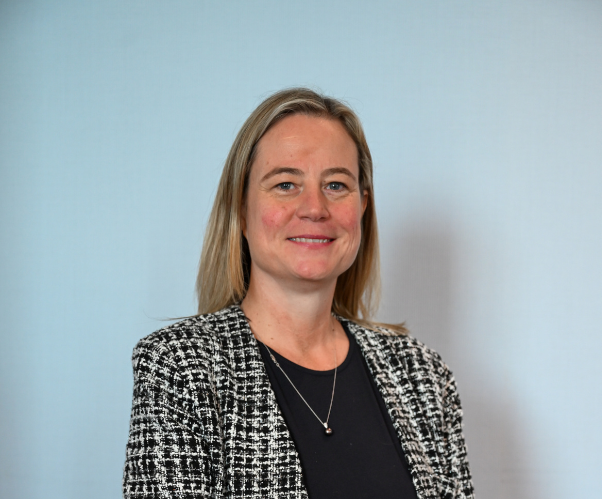
Katie Ferrier
Katie Ferrier leads Achilles’ operations across the UK, Ireland, Northern Europe and the Middle East, steering delivery against customer commitments and strengthening value across global buyer and supplier networks. She plays a central role in elevating customer focus within the organisation, ensuring that every product and service is rigorously tested and aligned to customer needs.
With more than 15 years’ experience in major project delivery, transformation and procurement, Katie brings deep insight into the challenges faced by procurement and supply chain teams. Her career spans BAE Systems and Network Rail, where she held senior roles including Head of Supplier Engagement and Senior Programme Manager for Electrification, overseeing more than £500 million of capital projects. This blend of buyer and supplier experience gives her a rare, practical understanding of how organisations can collaborate to drive efficiency and value. Katie is a long-standing Member of the Chartered Institute of Procurement and Supply and winner of the CIPS Supply Management People Development Award.
Katie is a regular speaker on diversity, inclusion and supply chain collaboration, championing cultures where diverse thinking and partnership accelerate innovation.