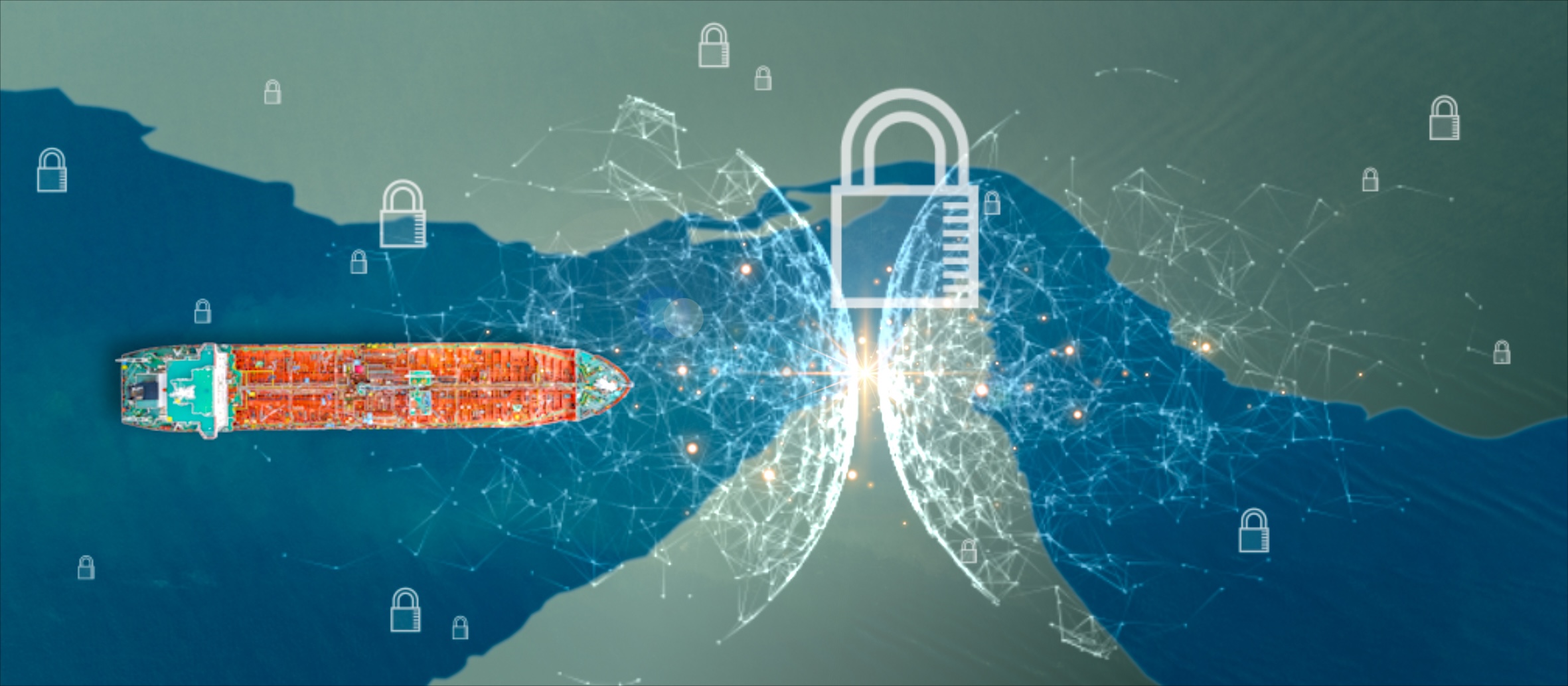
A bottleneck in a distant shipping lane can upend production schedules from Shenzhen to Seattle. Supply chains built for efficiency now face a harder test: understanding geopolitical risk and hidden supplier dependencies before disruption exposes them. For many organisations, this is no longer simply an operational concern but a question of supply chain risk management in an increasingly geopolitical world.
The narrow channel between Iran and Oman carries roughly a fifth of the world’s traded oil and a substantial share of its liquefied natural gas. Any hint of disruption unsettles energy markets and, with them, the costs embedded across global supply chains and industrial production.
Hydrocarbons underpin far more than fuel in modern supply chains. They sit inside fibres, resins, coatings and plastics used from construction to consumer goods. A jolt in Gulf shipping lanes can echo through factories thousands of miles away. China, heavily reliant on Gulf crude, is particularly exposed to energy supply disruption; a slowdown there reverberates through global manufacturing networks that depend on Chinese inputs.
Hidden Dependencies in Global Supply Chains
Geopolitical disruptions travel quickly through supply chains. Within weeks companies may face supply chain disruption, delayed components, rising material prices and stretched production schedules. The surprise is rarely the disruption itself, it is discovering where the dependency sits. Many firms know their Tier-1 suppliers. Far fewer have clear visibility into Tier-2 and Tier-3 supplier networks, where much of the real supply chain risk sits. Only when a refinery outage, sanctions regime or maritime flashpoint takes hold do they realise several “diverse” suppliers rely on the same route, plant or upstream producer, a hidden concentration risk within the supply chain.
Data from Achilles suggests the pace of global supply chain disruption is accelerating. Potential business disruption alerts rose by roughly a third in 2025, climbing from around 44,000 to 59,000 year on year. Geopolitical alerts increased by about 167%, rising more than sixfold in Asia-Pacific alone. Natural hazard disruptions grew by roughly 27%, while the severity of incidents shifted markedly toward medium and high-impact events. The pattern is not subtle: shocks are becoming more frequent and more costly.
Supply chains, once treated primarily as instruments of efficiency, now resemble critical economic infrastructure: critical, exposed and strategically consequential. Understanding how they function, and where they may fracture, has become a leadership responsibility.
Boards are beginning to recognise this as a supply chain risk management challenge. Chokepoints, sanctions, geopolitical tensions and fragile logistics corridors now feature alongside financial and operational risk. Directors increasingly ask the obvious questions: Where are our exposures? Which suppliers sit near geopolitical fault lines? How quickly could alternatives be found?
For many organisations, the answers reveal gaps in understanding. Supplier networks extend far beyond the first tier, yet visibility into those deeper layers is often limited or absent.
Traditional prequalification offers little help. One‑off onboarding checks were built for a calmer era. Today firms need living intelligence: supplier data combined with geopolitical monitoring, logistics insights and ongoing assurance. This has made mapping exposure beyond the first tier a strategic exercise. Knowing where materials originate and how they move allows organisations to anticipate crises, not merely react to them.
This shift is reshaping sourcing strategies. A more resilient model is beginning to emerge. Today organisations require something closer to real-time supply chain risk intelligence and ongoing risk assurance. Nearshoring and friendshoring, once political talking points, have also become practical tools for reducing geopolitical supply chain risk. These options are not always cheapest, but cost calculations are changing as companies calculate the price of stalled production, missed deadlines and inflated procurement budgets.
The Strait of Hormuz is not the first, and will not be the last chokepoint to test global supply chains. The Suez Canal, the Panama Canal and several other maritime corridors carry similar weight. Each offers the same reminder: effective supply chain risk management begins with visibility and in a world where trade passes through chokepoints only a few miles wide, organisations that understand their supplier networks will always be better prepared for the next disruption.