Wind energy development across Europe is accelerating rapidly, with record investment and an expanding project pipeline. Yet as wind farm development scales, procurement teams face increasing challenges identifying reliable suppliers across a complex global supply chain. From installation vessel shortages to subsea cable constraints, supply chain capacity is under pressure. For renewable developers, faster supplier discovery, verified supplier data and stronger supply chain visibility are becoming critical to keeping projects on schedule.
What is The Wind Energy Supply Chain
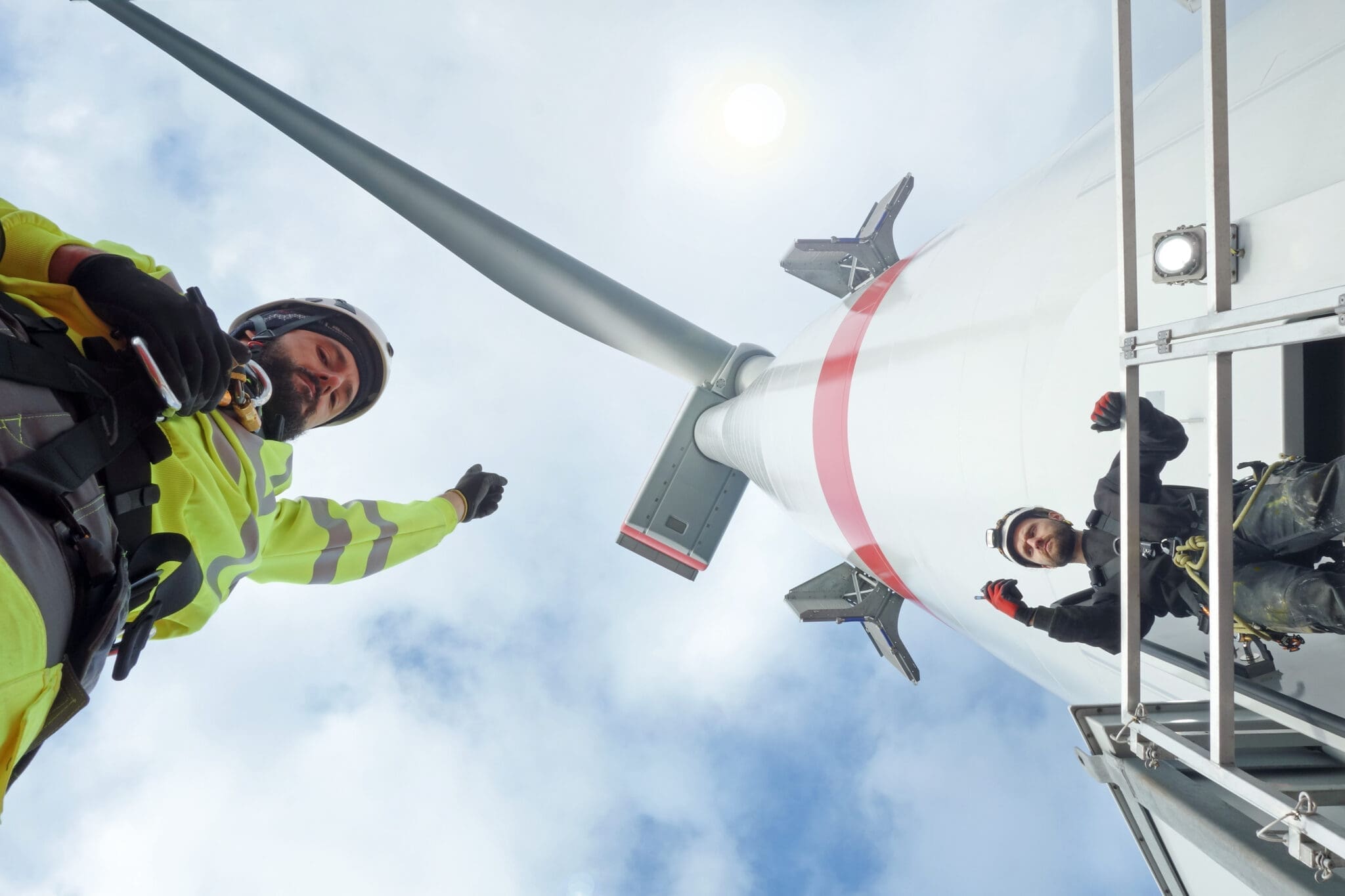
The wind energy supply chain refers to the network of companies involved in designing, manufacturing, installing, and maintaining wind power infrastructure. This includes turbine manufacturers, steel fabricators, subsea cable suppliers, offshore installation contractors, engineering firms, and specialist maintenance providers.
Because modern wind farms involve hundreds of suppliers operating across multiple countries, developers must identify, qualify, and monitor suppliers to ensure they meet strict requirements for safety, regulatory compliance, operational capability, and financial stability.As wind energy deployment accelerates across Europe, the ability to quickly identify reliable suppliers and assess supply chain risk is becoming a critical capability for renewable energy developers.
Europe’s Wind Energy Boom Is Accelerating
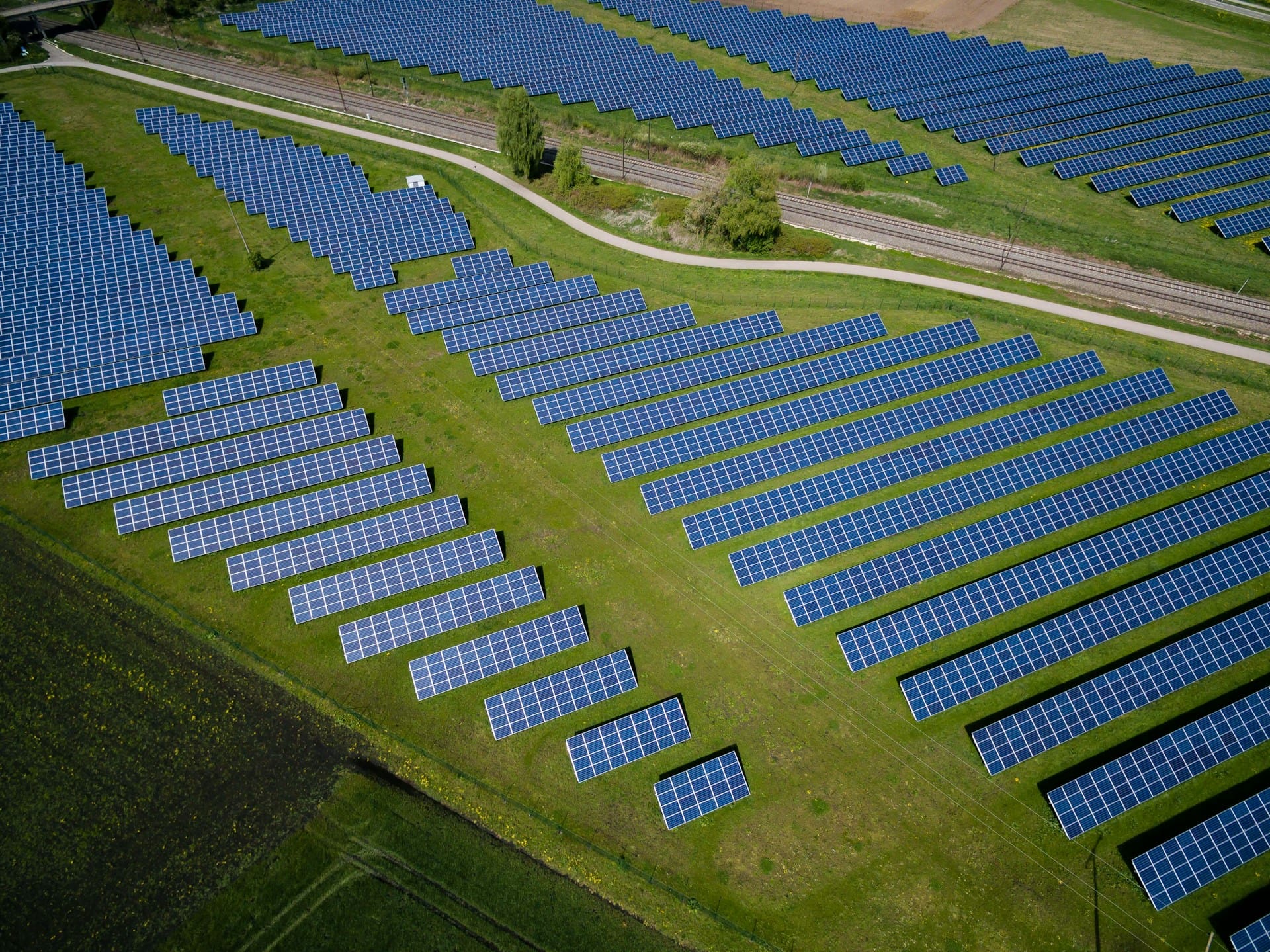
Wind energy development across Europe is accelerating rapidly. The region now has over 300 GW of installed wind capacity, and the EU is expected to add around 22 GW of new wind power every year through to 2030. Investment is steadily flowing into the sector. WindEurope reports that €34 billion of new wind projects reached Final Investment Decision (FID) in the first half of 2025.
The development pipeline is also expanding quickly. Europe currently has more than 386 wind projects planned, representing over 411 GW of future capacity. The UK development pipeline alone accounts for over 47 GW of onshore wind projects.
For renewable energy developers and procurement teams, this rapid expansion presents both opportunity and operational challenge. As project pipelines grow, pressure on the wind energy supply chain continues to increase.
Supply Chain Constraints in Wind Energy
As wind deployment accelerates, supply chains are under increasing pressure. Global wind turbine orders reached 215 GW in 2025, while demand for subsea power cables and other specialised infrastructure continues to grow rapidly. Analysts estimate that over $100 billion of additional investment will be required to expand the wind supply chain enough to meet global deployment targets.
Key Wind Supply Chain Statistics
- Offshore wind installation vessel shortage: Demand for offshore wind installation vessels is expected to increase dramatically this decade, rising from around 11 vessel-years in 2021 to nearly 79 vessel-years by 2030, highlighting the growing pressure on specialised offshore installation capacity.https://www.offshore-mag.com/vessels/article/14233095/more-installations-vessels-needed-to-meet-larger-wind-turbine-demand
- Risk of installation vessel bottlenecks: Demand for vessels capable of installing next-generation offshore wind turbines is expected to outpace supply, creating potential bottlenecks for new wind projects. https://www.offshorewind.biz/2022/02/02/bottlenecks-loom-unless-installation-vessels-keep-pace-with-super-sized-wind-turbines-report/
- Wind supply chain bottlenecks in Europe: Supply chain expansion will be required across manufacturing, logistics and services to meet Europe’s wind deployment targets.https://windeurope.org/intelligence-platform/product/the-state-of-the-european-wind-energy-supply-chain
- Subsea cable shortages: Offshore wind projects are also facing supply constraints in critical infrastructure. Developers report shortages of subsea power cables, which are essential for connecting offshore wind farms to onshore grids. https://www.offshore-mag.com/renewable-energy/article/55240474/shortage-of-submarine-power-cables-poses-threat-to-offshore-wind-market
- Cable demand growing rapidly: Demand for subsea cables is projected to grow at around 19% annually through 2030, creating potential bottlenecks as offshore wind deployment accelerates. https://www.crugroup.com/en/communities/thought-leadership/2025/key-developments-in-the-global-subsea-cable-sector-in-2025/
- Raw materials and specialised components: Wind turbines depend on specialised materials such as rare earth elements and advanced composites, adding further complexity to the global supply chain. https://interludeone.com/posts/2025-04-23-windturbines/Wind%20Turbine%20Manufacturer%20Deep%20Dive_.pdf
- Wind turbine order backlog: Global wind turbine order intake reached 215 GW in 2025, highlighting the scale of demand manufacturers are working to fulfil. https://www.woodmac.com/press-releases/global-wind-turbine-order-intake-reached-215-gw-in-2025-the-second-highest-ever/
According to WindEurope, in addition to all that, significant expansion across manufacturing, logistics and specialist services will be required if Europe is to meet its wind deployment targets.
While Europe continues to lead offshore wind development, the United States wind sector is also expanding rapidly, particularly across large onshore wind projects and emerging offshore developments along the East Coast.
Read more: How wind farm supplier sourcing is evolving in the United States.
The Procurement Challenge for Wind Farm Developers
Building a wind farm is not simply a question of funding and permits. It requires a vast network of specialised suppliers spanning turbine manufacturing, steel fabrication, subsea infrastructure, offshore engineering and long-term maintenance services. As wind farm pipelines expand, identifying capable suppliers across this ecosystem becomes increasingly complex.
Procurement teams often begin the process expecting to gather supplier questionnaires, assess compliance data and onboard vendors quickly. In practice, the process can be far more time-consuming. Teams frequently find themselves chasing suppliers for basic information, struggling to verify risk and compliance data, searching across fragmented sources to identify potential vendors and spending weeks or even months onboarding suppliers for projects operating on tight timelines.
The result is a familiar challenge across the renewable sector: limited supplier visibility, slower procurement cycles and increased exposure to supply chain risk.
A Visibility Problem in Wind Farm Supply Chains
Wind projects are becoming larger and more geographically complex. Offshore developments can involve hundreds of suppliers operating across multiple countries.
Despite this complexity, many procurement teams still rely on disconnected tools and manual processes to identify and evaluate suppliers. This slows supplier discovery, makes risk and compliance information difficult to validate and extends onboarding timelines. Perhaps most importantly, it makes it difficult for project teams to gain a clear, reliable view of supply chain risk. For wind projects operating on tight delivery schedules, these inefficiencies quickly become costly.
A Different Approach: Pre-Qualified Wind Farm Suppliers
Achilles helps renewable energy companies address this challenge by providing access to a global network of pre-qualified suppliers across the wind energy supply chain.
Instead of starting from scratch with each project, developers can identify suppliers that have already been assessed through the Achilles qualification process. Supplier information is independently verified across key risk categories, including health and safety performance, financial stability, ESG credentials, operational capability and regulatory compliance.
This data is continuously monitored and updated, helping procurement teams maintain confidence that supplier information remains current.
For wind project teams, this approach enables faster supplier discovery, shorter onboarding cycles and improved visibility across supply chain risk.
Proven in Renewable Energy Projects
Major renewable energy projects are already using Achilles to identify and qualify suppliers with customers including Orsted, Vattenfall, [more names] all choosing to leverage the Achilles prequalified renewable supplier network to support both projects and ongoing operational efficiency.
The Buchan Wind Project, for example, uses Achilles to support supplier identification and onboarding after previously relying on multiple fragmented sources.
“Before working with Achilles, identifying new suppliers meant searching across a patchwork of databases, directories and industry contacts. It was time-consuming and often produced inconsistent results. Having access to a pre-qualified supplier network has significantly streamlined the process and given us much greater confidence in supplier capability.”
— Buchan Wind Project
Katie Ferrier, Regional Director at Achilles, says the shift toward structured supplier networks is becoming increasingly important as wind projects grow.
“Wind projects are becoming larger, more complex and more international. Procurement teams need faster, more reliable ways to identify capable suppliers and assess risk. By combining independently verified supplier data with a global network of qualified suppliers, Achilles helps developers move faster while maintaining confidence in their supply chains.”
The Strategic Advantage of Smarter Wind Farm Supplier Sourcing
With wind investment accelerating across the UK, Ireland and Europe, the ability to quickly identify capable suppliers is becoming a competitive advantage. For procurement teams building the next generation of wind farms, the challenge is no longer whether the supply chain will be complex. That is now a given. The real question is how quickly the right suppliers can be found and how confidently they can be trusted.
FAQ: Wind Energy Supply Chains
Why is the wind energy supply chain under pressure?
Wind energy deployment is growing rapidly across Europe and globally. As project pipelines expand, demand for turbines, installation vessels, subsea cables and specialist engineering services is increasing faster than supply chain capacity in some areas.
How many suppliers are typically involved in building a wind farm?
Large offshore wind projects can involve hundreds of suppliers, including turbine manufacturers, cable suppliers, steel fabricators, offshore installation contractors and maintenance providers.
Why is supplier qualification important in wind energy projects?
Wind farm developers must ensure suppliers meet strict requirements across safety, regulatory compliance, financial stability and operational capability. Supplier qualification helps reduce project risk and ensure reliable delivery.
How does Achilles support wind energy procurement?
Achilles provides access to a global network of pre-qualified wind farm suppliers whose information has been independently verified across multiple risk categories. This helps procurement teams identify suppliers faster, reduce onboarding time and gain better visibility across their supply chains.